
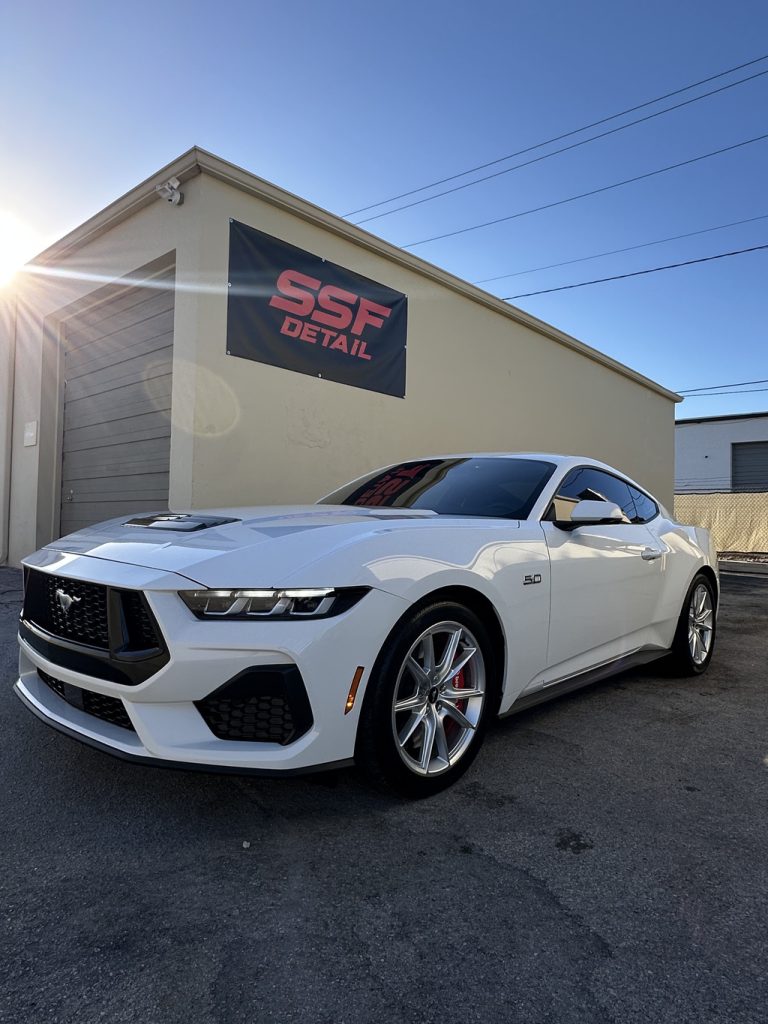
How to Protect Your Car from Florida's Intense Sunlight and Salty Air
Florida's weather is tough on cars. The sun beats down relentlessly, the rain can be brutal, the humidity is high and the air is salty. The state's weather is brutal on your car's paint, car seats and other parts and can cost you big time and devalue your car over time. Whether you live here or just visiting, knowing how to protect your car from Florida's heat, UV rays and salty air is key. In this post we'll show you how to shield your car from Florida's harsh weather so it stays looking great for years to come.
What Are The Effects Of Florida's Weather On Your Car?
Florida's weather – intense sun, high heat and salty air – can wreak havoc on both your car's exterior and your car's interior. Over time it can cause damage that costs you money and shortens the life of your vehicle. Here's how Florida weather affects your car:
Sun Damage to Car's Paint
Florida's intense sun, UV rays and even frequent rain can fade and oxidize your car's paint. The sun's rays break down the protective layers of your car's exterior and create sunspots, water spots and cracks in the clear coat. Over time it makes your vehicle's paint look dull, worn and damaged.
Heat Damage to Interior and Upholstery
Florida's heat also wreaks havoc on your car's interior. Leather seats and dashboards dry out and crack from the constant sun exposure. This causes fading and aging of your car's upholstery. Even fabric seats can fade and discolour from the extreme temperatures, affecting the overall condition of your car's upholstery.
Rust from Salty Air
Living near the coast, especially in areas like Boca Raton, exposes your car to salty air and high humidity which accelerates the rusting process. Salt in the air corrodes the metal parts of your vehicle's exterior, especially the undercarriage, wheel wells and frame. Over time this can cause significant rust damage that compromises the structural integrity of your vehicle.
Tire and Windshield
Florida's heat and salty air can also damage your tires. Your tires can degrade faster as the rubber wears down, shortens their life and increases the chance of blowouts. And the sun can weaken your windshield and glass surfaces making them more prone to cracks and chips.
How Do You Protect Your Car From Florida's Sun?
Saving your car from the sun is more than just a car wash. Here are the key steps to shield your car from the UV rays and intense heat:
Apply Ceramic Coatings
Ceramic coatings provide a durable layer of protection for your car's paint that lasts longer than traditional wax. These coatings act as a barrier against UV rays, bird droppings, water spots, and other environmental contaminants. By applying a ceramic coating, you create a hydrophobic surface, making it easier to clean your car. The coating helps preserve the exterior, preventing the sun from fading the paint and maintaining a shiny, well-protected finish that resists harsh sunlight and daily wear and tear.
Tint Your Windows
Window tinting is a highly effective way to protect your car's interior from the damaging effects of the sun. By blocking UV rays, tinted windows help keep the cabin cooler, reducing heat buildup. Moreover, window tinting protects your skin from harmful UV exposure during long drives. Before having your windows tinted, check with local authorities about Florida's tinting laws to ensure compliance with legal regulations in your area.
Park in the Shade
Whenever possible, always try to park in the shade to minimize your car's exposure to direct sunlight. Shaded areas, whether under trees or covered parking, help reduce the amount of heat that enters your vehicle, keeping the interior cooler and more comfortable. If shaded parking isn't available, consider investing in a carport or using a sunshade to provide extra protection from the harsh Florida sun.
Sun Protection Essentials
Ceramic Coating
Durable UV protection that lasts longer than wax and creates a hydrophobic surface
Window Tinting
Blocks UV rays, keeps cabin cooler, and protects interior from sun damage
Park in Shade
Minimizes direct sunlight exposure and keeps interior cooler
How Do You Protect Your Car From Florida's Salty Air?
Living near the coast, like in Boca Raton, exposes your car to salty air, which can cause rust and corrosion. The salt in the air accelerates the deterioration of your car's metal parts and exterior. Here's how to save your car from the salt:
Wash Your Car Frequently
Washing your car regularly helps remove salt and other corrosive elements from the surface. Focus on the undercarriage, wheel wells, and hard-to-reach spots where salt can accumulate. Washing your car at least every two weeks—and more often during hurricane season—keeps it clean and protected. Salt left on the surface can corrode metal parts, so maintaining a consistent washing routine is key to preventing long-term damage.
Rust Proofing Treatments
Apply rust proofing treatments to your car, especially on areas prone to corrosion like the undercarriage and metal components. These treatments create a protective barrier against the salt in the air. Over time, these treatments wear off, so it's important to reapply them every few years. A good rust proofing treatment helps prevent salt from accelerating rust and corrosion, keeping your car's structure intact and extending its lifespan.
Use a Car Cover
A car cover is a simple but effective way to protect your car's surface from salty air. In addition to protecting your car from ultraviolet rays, a cover can keep the salt that settles on the paint and exterior of your car at bay. Choose a breathable, UV-resistant cover for maximum protection. It's especially useful if you don't have access to a garage or shaded parking, as it minimizes salt exposure, which can otherwise lead to paint damage, rust and corrosion.
Check Your Car Regularly
Inspect your car regularly, particularly the undercarriage and other metal parts, for early signs of rust or corrosion. Salt can accumulate in hard-to-see places, so regular checks help you catch damage before it worsens. Look for small rust spots, peeling paint, or areas where moisture has collected. Check your car's tire pressure as heat can increase pressure. Early detection can save you from having to spend money on costly repairs by addressing issues before they become serious, ensuring your car stays in good condition for longer.
Salt & Rust Protection
Regular Washing
Wash every 2 weeks, focus on undercarriage and wheel wells where salt accumulates
Rust Proofing
Apply treatments to undercarriage and metal components, reapply every few years
Car Cover
Breathable, UV-resistant cover protects from salt when garage isn't available
Regular Inspection
Check undercarriage for early signs of rust and corrosion to catch damage early
How Do You Prevent Heat Damage Inside Your Car?
Heat damage can be as damaging as sun damage especially to your car's interior. High temperatures inside the car can cause cracking, fading and deterioration of leather seats, dashboards and upholstery. Here's how to prevent heat damage inside your vehicle:
Seat Covers
Protect your car's upholstery, especially the leather seats, with high-quality seat covers. These covers are designed to shield your seats from the direct exposure to heat and sunlight, which can cause leather to crack and fabric to fade. Many seat covers also offer added padding, providing extra comfort and durability. Look for covers made from materials like neoprene or canvas that can stand up to the harsh Florida weather while maintaining the appearance of your car's interior. Additionally, using all-weather floor mats can help protect the car's interior from spills, debris, and dirt.
Windshield Sunshade
A windshield sunshade is an affordable and effective tool to drastically reduce the internal temperature of your car. These shades reflect sunlight away from the car's interior, preventing excessive heat from building up inside your vehicle. By blocking direct sunlight from reaching your dashboard, seats, and steering wheel, the sunshade helps protect against fading, cracking, and warping caused by heat. Be sure to use a sunshade every time you park your car, especially during the hotter months, to keep the cabin cooler and more comfortable.
Condition Your Leather Seats
Leather conditioner is essential for maintaining the integrity of your leather seats. The extreme heat in Florida can dry out the leather, making it more prone to cracks and fading. Regular application of conditioner helps to keep the leather soft, supple, and hydrated. It also acts as a protective barrier, preventing the leather from absorbing dirt and oils that can cause long-term damage. Be sure to choose a high-quality conditioner with UV protection to further safeguard your seats from the damaging effects of sun exposure.
Maintain Your Air Conditioning System
Your car's air conditioning system is crucial for keeping the interior cool, especially during Florida's scorching summer months. Regular maintenance is key to ensuring your AC is running efficiently and effectively. Be sure to check the refrigerant levels, replace the cabin air filter, and clean the AC components regularly. A well-maintained air conditioning system can keep the interior of your vehicle comfortable and help prevent the buildup of heat inside.
Ventilate Your Car
When parking your car in the sun, cracking the windows slightly allows air to circulate inside. This simple trick helps to reduce the internal temperature by allowing hot air to escape, preventing it from building up and causing heat damage. While leaving windows cracked is not a substitute for using a sunshade or parking in the shade, it can help minimize the effects of heat on your car's interior. Just be mindful of safety, and ensure the windows aren't open too wide to avoid potential theft.
Safeguarding Your Car's Interior
Protecting a car's interior is crucial to maintaining its value and longevity. Here are some tips for safeguarding your car's interior:
Dashboard and Interior Surface Protection
The dashboard and interior surfaces of a car are particularly vulnerable to damage from the sun and heat. Car owners can protect these surfaces by applying a UV-protectant spray or wipe to the dashboard, door panels, and other plastic surfaces. Additionally, using a leather conditioner with UV protection can help protect leather seats and trim from UV damage. By taking these steps, car owners can prevent cracking, fading, and other forms of damage, ensuring that the car's interior remains in good condition.
Interior Heat Protection
Seat Covers
Neoprene or canvas covers protect leather and fabric from heat and sun damage
Windshield Sunshade
Reflects sunlight and drastically reduces interior temperature
Leather Conditioner
Keeps leather soft and prevents cracking from extreme heat
AC Maintenance
Regular maintenance keeps interior cool and prevents heat buildup
Conclusion
Florida's sun, salty air and extreme temperatures can damage your car – fading your car's paint, cracked leather, rust and other forms of damage. By following these simple tips – using a car cover, applying ceramic coatings, tinting your windows, washing your car regularly and keeping the interior cool – you can protect your car from Florida's harsh weather.
Maintenance and protection will not only preserve the looks of your car by keeping the paint intact but also save you from costly repairs later on. Remember, taking action now will ensure your car will be in top shape for years to come.
Ready to protect your vehicle from Florida's harsh elements? Contact SSF Detail in Boca Raton for professional ceramic coating, window tinting, and detailing services.
Get A Free Quote